

When shingles start to curl, flashing begins to loosen, or storm winds sweep across Huntsville and Madison, it can feel overwhelming to know what to do first. A small leak or missing shingle might not seem urgent at the moment, but in North Alabama’s fast-changing weather, even minor roof issues can lead to staining, moisture buildup, or costly interior repairs if they’re not handled quickly.
At Fleming Roofing & Restoration, LLC, we understand how stressful it is for homeowners to look at their roof after a storm and wonder whether the problem is simple or serious. If you’ve been searching for “roofing companies near me”, this roof repair checklist gives Huntsville and Madison homeowners a practical, confidence-building path to follow. It highlights the smart steps local roofers rely on and the best ways to protect your home long term.

What a Roof Repair Checklist Should Cover
A solid roof repair checklist helps homeowners sort out what really matters when something goes wrong. In Huntsville and Madison, where roofs deal with sudden downpours, quick temperature swings, and seasonal wind bursts, certain problem areas show up more often than others. That’s why a good checklist doesn’t just focus on shingles. It also includes the hidden details most homeowners don’t see every day but that local roofers know are essential for a long-lasting system.
Your checklist should cover the major components that keep water out and your home protected. This includes shingle condition, flashing around walls and chimneys, pipe boots, ridge caps, attic airflow, and any low-slope areas that transition into porches or additions. These parts of the roof work together as a system, so when one weakens, others quickly follow.
For many Huntsville and Madison homes, the difference between a simple repair and significant damage often comes down to spotting issues early. A clear checklist helps you recognize the warning signs before a leak works its way into insulation, ceilings, or walls. It also prepares you for what roofers will look for during an inspection, which makes the whole process smoother and more reassuring.
A checklist doesn’t replace a professional inspection, but it does put homeowners in a stronger position to understand what’s happening on their roof and why repairs matter.
Why a Roof Repair Checklist Matters for Huntsville & Madison Homes
Having a clear roof repair checklist makes a real difference for homeowners in Huntsville and Madison. Our area experiences quick temperature swings, heavy spring and fall rains, and strong wind gusts that often arrive without much warning. These conditions put steady stress on shingles, flashing connections, ridge caps, and low-slope transitions. Even well-built roofs can show early signs of wear when weather patterns shift suddenly, which is common throughout North Alabama.
A checklist gives homeowners a way to catch these issues before they grow into bigger, more expensive problems. Instead of waiting for a ceiling stain or damp attic smell to appear, you can spot early warning signs outside, where the problem actually begins. This not only saves time and frustration but can also prevent structural moisture damage, which is far more difficult and costly to correct.
Another benefit is confidence. When you understand what roofers look for, you feel more prepared when discussing repair options. Huntsville and Madison homeowners often appreciate having a simple way to track what is normal aging versus what needs professional attention. A checklist helps bridge that gap.
Roofing systems work together as a unified surface, so knowing which elements to pay attention to ensures you’re not overlooking small but important areas. It’s a practical tool that helps protect your home in a climate where storms and shifting seasons are a regular part of life.
When to Use This Checklist
Roof issues don’t always show up at convenient times, and they’re not always dramatic. Sometimes it’s a drip during a heavy rain, a shingle you notice on the lawn after a windy night, or a dark spot in the attic that wasn’t there before. Knowing when to pull out your roof repair checklist helps you respond quickly and avoid bigger problems later.
You should use this checklist whenever you notice early signs of roof wear or anything out of the ordinary. That includes:
- After severe weather, especially strong winds or hail that commonly move through Huntsville and Madison during spring and fall.
- When you spot changes in shingle condition, like curling, cracking, or small sections missing.
- If your attic feels more humid than usual, which can indicate ventilation or moisture issues tied to the roofing system.
- When new ceiling stains or wall discoloration appear, even faint ones.
- Before seasonal weather shifts, such as the rainy months or the temperature drops that cause materials to expand and contract.
- If your roof is reaching mid-life, when components like pipe boots, ridge caps, and flashing tend to show wear even if shingles still look good from the ground.
Using this checklist during these times helps you stay ahead of trouble and gives you a clear understanding of what roofers will likely check during an inspection. It also provides peace of mind, especially in an area like North Alabama where storms can roll in quickly and put your home’s exterior to the test.
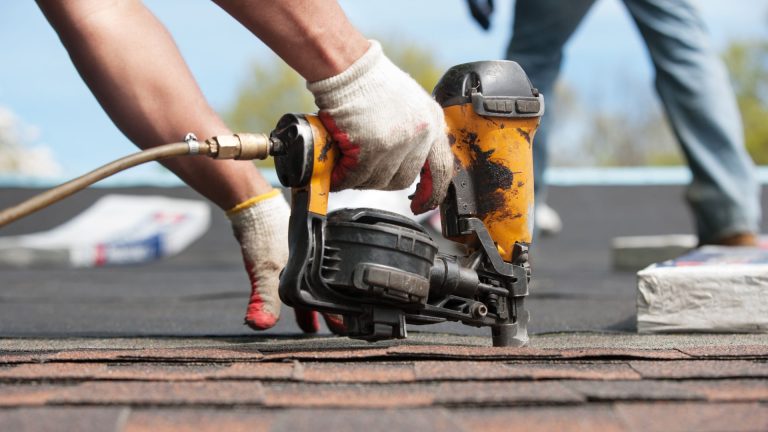
Where Most Roof Repairs Happen in Huntsville & Madison, AL
Across Huntsville and Madison, roofers tend to see the same problem areas crop up again and again. That’s because many homes in our region share similar roof designs, and North Alabama weather places consistent stress on certain features. Knowing where repairs commonly happen helps you focus attention on the parts of your roof most likely to need early maintenance.
Here are the areas that deserve the closest watch:
1. Valleys
Valleys collect and channel large amounts of water, making them one of the first places leaks can develop. Heavy rainfall, like what Huntsville and Madison frequently experience, pushes water along these seams with force. Any small gap in shingle coverage or metal flashing can allow water to travel beneath the surface.
2. Step Flashing on Walls and Dormers
Where the roof meets a vertical surface is a classic trouble spot. Step flashing is meant to direct water outward, but it can shift, rust, or pull away over time. Homes with dormers or multiple roof angles often see early wear in these transition zones.
3. Chimney Flashing
Chimneys expand and contract at different rates compared to the roof, which can loosen flashing seals. When mortar joints age or flashing lifts, water finds a direct path inside.
4. Pipe Boots
This is one of the most common repair areas in Huntsville and Madison. UV exposure causes the rubber collars around plumbing vents to crack or dry out faster than most homeowners expect. Once the seal breaks, even light rain can find its way into the attic.
5. Ridge Caps
Since ridge caps sit at the highest points of the roof, they take the brunt of wind uplift. Strong wind bursts that sweep through North Alabama can loosen or crack these caps and allow water beneath them.
6. Low-Slope Tie-Ins
Many homes in our area have porches, additions, or garages with low-slope roofs connecting to steeper main sections. These tie-ins demand precise flashing and underlayment work. When they weaken, leaks often appear at the interior walls just below the transition.
Understanding these common repair locations helps you know what to look for during visual checks and prepares you for what local roofers will examine during an inspection. When problems show up in these areas, addressing them quickly prevents deeper issues inside your home.
Who Should Handle Your Roof Repairs
Roof repairs might seem straightforward from the ground, but once you’re on the roof, the story often looks very different. Leaks can travel, shingles can hide subtle damage, and flashing work requires precision to last through Huntsville and Madison’s changing weather. That’s why choosing the right people to handle your repairs is one of the smartest moves a homeowner can make.
Professional roofers bring the training and experience needed to diagnose issues accurately. They understand how North Alabama storms create specific leak patterns, how different roofing materials respond to heat and moisture, and how to repair one area without accidentally damaging another. This level of detail is especially important around flashing, pipe boots, and low-slope connections, where even a small mistake can reopen the leak after the next storm.
Working with an established roofing team also means you get clear explanations and honest assessments. Many homeowners in Huntsville and Madison appreciate knowing whether a problem truly needs a repair or whether it’s a sign the roof is nearing the end of its lifespan. A trustworthy roofing company will walk you through both options without pressure, helping you make the best decision for your home.
We provide this kind of support throughout Huntsville and Madison, combining careful inspections with practical solutions tailored to your roof’s condition. When repairs are the right choice, skilled roofers ensure the work is completed safely, correctly, and with long-term performance in mind.

How to Use This Roof Repair Checklist
A checklist is most helpful when it gives you clarity, not confusion. This roof repair checklist is designed to be simple enough for any Huntsville or Madison homeowner to follow while still covering the key areas professional roofers look at during an inspection. You don’t need to climb onto the roof to use it. In fact, most items can be observed from the ground, from a window, or from inside the attic.
Start by reviewing the checklist after major weather events or anytime you notice something unusual about your roof. Move through each section in order, making notes about anything that looks worn, out of place, or different from the last time you checked. You don’t need expert knowledge to spot early warning signs. Things like lifted shingles, cracked pipe boots, debris buildup, or darkened attic insulation are all simple indicators that something isn’t quite right.
The goal isn’t to diagnose the exact problem on your own but to become familiar with what your roof is telling you. When you understand where the issues might be, conversations with a roofing professional become easier and much more productive. You’ll know what questions to ask, what areas deserve the most attention, and whether the problem seems urgent.
Using this checklist regularly gives you more confidence as a homeowner. You’re not guessing, hoping, or waiting for a bigger problem to appear. You’re staying informed, proactive, and prepared, which is especially valuable in a region where storms and shifting seasons keep roofs working hard year-round.
Here’s Your Complete Roof Repair Checklist
A reliable roof repair checklist helps you focus on the areas that matter most, especially in places like Huntsville and Madison where weather can change quickly. This checklist covers the key components roofers pay close attention to, giving you a clearer understanding of what to watch for between storms and seasonal shifts.
✓ Start With Shingle Condition
Shingles are your roof’s first line of defense. Look for:
Curling or lifted edges
Cracked or torn shingles
Missing sections after wind gusts
Areas where granules have worn thin
Even small imperfections can allow water to slide underneath during heavy rain.
✓ Inspect Valleys for Wear
Valleys move water faster than any other part of the roof. Check for:
Loose or misaligned shingles
Exposed metal flashing
Debris buildup that redirects water
Any weak point here can create leaks that travel far from the source.
✓ Examine Step Flashing and Wall Connections
Where your roof meets a vertical surface, flashing must be secure. Look for:
Gaps where flashing has shifted
Rusted or lifting edges
Signs of water running down siding or brick
These roof-to-wall areas are a common issue in North Alabama homes.
✓ Review Chimney Flashing and Mortar Joints
Chimneys expand and contract differently than roofs, which can loosen seals. Check for:
Cracked or aging mortar
Loose or lifted counterflashing
Water stains near the chimney inside the home
If anything appears out of place, professional resealing is often needed.
✓ Check Pipe Boots and Penetrations
Pipe boots are one of the most common repair needs in Huntsville and Madison. Look for:
Cracked or brittle rubber collars
Exposed or rusting fasteners
Gaps around plumbing or HVAC penetrations
A failing pipe boot can lead to significant attic leaks even after light rain.
✓ Look Closely at Ridge Caps
Ridge caps face constant wind pressure. Check for:
Cracked or broken sections
Missing caps
Exposed nails or shifted shingles
If not addressed, wind can lift nearby shingles and widen the opening.
✓ Evaluate Low-Slope Tie-Ins
Homes with porches, garages, or additions often have low-slope areas transitioning into steeper roofs. Look for:
Weak or worn flashing
Damaged underlayment
Signs of ponding water or stained shingles
These transitions require detailed work to stay watertight.
Residential Roof Repair Solutions
Once you’ve worked through the checklist and identified areas of concern, it helps to understand the types of repairs most often performed on homes in Huntsville and Madison. As a local roofing company, we understand how North Alabama weather affects different home styles throughout the community, and we customize each repair to those needs.
At Fleming Roofing & Restoration, LLC, we focus on restoring damaged components and stopping water at its true entry point so your roof can continue protecting your home the way it should. We frequently perform shingle repairs and leak tracing, especially after storms, removing weakened shingles, installing new materials, and tracking water patterns to locate the exact source of a leak. We also handle flashing issues around walls, dormers, and chimneys, since shifting or worn flashing can allow moisture to move behind exterior surfaces.
In many cases, we replace aging pipe boots because their rubber collars crack from sun exposure, creating a direct path for water into the attic. We repair or replace ridge caps to restore wind resistance along the highest seams of the roof, and when storms hit, we secure the home with temporary stabilization before returning for permanent repairs.
Many homeowners also mention how much they appreciate our clear communication, dependable storm response, and repairs that truly fix the issue rather than offering short-term patchwork. These solutions help keep Huntsville and Madison roofs durable, well-sealed, and ready for the region’s changing weather.
Top Questions From Huntsville & Madison AL, Homeowners
1. How can I tell if my roof needs a repair?
Look for curling shingles, cracked pipe boots, loose flashing, or new attic moisture. Cosmetic wear is normal, but anything exposing your home to water deserves attention.
2. What are early signs of a roof leak?
Faint ceiling stains, musty attic smells, or lifted shingles after rain are common clues. Leaks often travel, so small signs can still point to a bigger issue.
3. How do local storms affect roofs?
Strong winds can lift shingles, heavy rain can push water into gaps, and hail can weaken shingle surfaces. Even minor storm events may loosen seals you can’t see from the ground.
4. Should I patch a roof or replace a section?
Patching works well for isolated damage. If the surrounding shingles are brittle, thinned, or aging, replacing a larger section may hold up better long term.
5. Can a small leak wait?
Not recommended. Even slow leaks can soak insulation or decking and lead to interior damage. Quick repairs usually cost less and prevent spread.
6. What tends to fail first on North Alabama roofs?
Pipe boots, ridge caps, and flashing around walls or chimneys wear fastest. Low-slope tie-ins also need extra attention.
7. How long should a professional roof repair last?
A proper repair should last several years, depending on roof age and overall condition. When materials are healthy, repairs blend in and perform reliably.
A Strong Finish to Your Roof Repair Checklist
Staying ahead of roof issues is one of the best investments you can make as a homeowner in Huntsville or Madison. With a clear and practical checklist, you can spot early signs of wear, understand what roofers look for, and take confident action before small problems grow into bigger concerns. At Fleming Roofing & Restoration, LLC, we’re here to help you make smart, informed moves that keep your home protected through every season. Whether you need a quick repair, a closer inspection, or professional guidance on something you’ve found, our local team is ready to support you and provide honest recommendations.
If you’re ready to take the next step, contact us to request an inspection or schedule roof repair services today!
We’re here to make the process simple, clear, and stress-free so your home stays strong and weather-ready year-round.